5 minute read
5 minute read
5 minute read
Going to Networking Events Without a Plan Is a Waste of Time: Here's How to Actually Get Results
Going to Networking Events Without a Plan Is a Waste of Time: Here's How to Actually Get Results
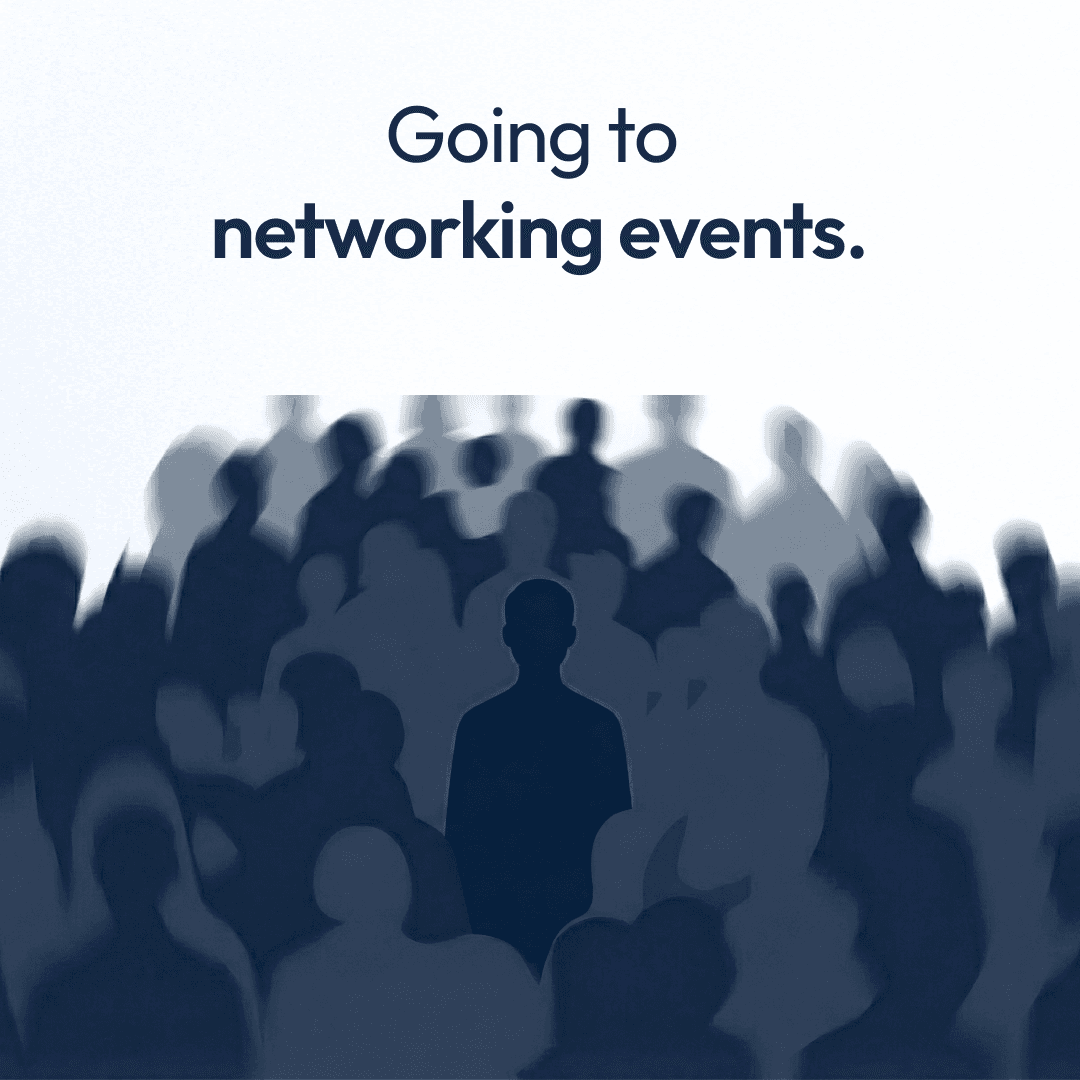

Getting results from B2B networking events requires a three-stage process: targeted research before the event, intentional conversations during it, and systematic follow-up after. Most professionals skip at least two of these stages. The ones who treat networking events as an isolated activity, not a process, consistently leave with business cards they never use and meetings they never book.
Why Most Networking Events Waste Your Time
The core problem is not the events themselves. It is the lack of preparation and follow-through that surrounds them. According to LinkedIn's 2025 B2B Buyer Insights report, 78% of B2B buyers prefer to work with vendors who have done prior research on their business before making contact. That preference does not disappear at a conference. If anything, it intensifies, because in-person time is finite and first impressions are harder to recover from.
B2B conferences and industry events represent a real investment. Travel, registration fees, and time away from the desk add up quickly. The companies that consistently extract value from that investment share one characteristic: they arrive with a plan built around specific people, not general networking goals.
How to Prepare Before the Event
Successful networking at B2B events starts before you walk into the venue. Most conferences publish attendee lists or offer event apps that show who registered. Use that list to identify ten to fifteen people who match your ideal client profile: the right company size, the right role, and the right set of challenges your service addresses.
Research each person properly. Check their company website. Review their LinkedIn activity. Understand what they do and what pressures they are likely facing. This is not surveillance. It is the basic homework that makes a two-minute conversation substantive instead of forgettable.
Then do the step most people skip entirely: reach out before the event. A short LinkedIn message works well. Something like: "I see we are both attending the conference next week. I have been following what your team is doing and would value a few minutes to connect." That single touchpoint means you are not a stranger when you walk up to them. You are already a name they recognise.
How to Work the Room with Intention
Once you are at the event, the preparation pays off immediately. You are not wandering and hoping. You are scanning for the specific people you already know by face from their LinkedIn profiles. You have context. You have something real to talk about.
When you connect with someone from your list, the conversation is better because you already understand their business. You are not asking generic questions about what they do. You are discussing specific challenges they face, and you can speak directly to how those challenges get solved. That is a different quality of conversation entirely.
This focused approach also protects your energy. Networking events are exhausting when you try to meet everyone. When you work from a target list, you direct your attention toward the highest-value conversations and give yourself permission to disengage from ones that are going nowhere. Quality of connection matters more than volume of business cards.
What to Do After the Event
The event itself is the opening. The real business value comes from what happens in the 48 hours after you leave. This is where the majority of networking effort collapses, and where a disciplined approach creates a durable advantage.
Follow up with everyone you met. Send a personalised message within one to two days. Reference something specific from your conversation. Generic follow-ups get ignored. A message that says "I enjoyed your point about scaling the sales team without adding headcount" gets read and replied to.
Then follow up with the people you did not meet. This is the move most people miss. Of your fifteen pre-identified targets, you probably connected with eight or nine. The rest were busy, hard to find, or the timing never worked. Send them a message after the event: "We kept missing each other at the conference. I had specifically wanted to connect with you about what your team is working on. Any chance we can continue the conversation online?" That framing works because it establishes shared context, shows specific intent, and removes the friction of another in-person meeting.
At TheShowcase.ai, we use a version of this exact process in our AI Twin outreach sequences. When prospects attend the same events as our clients, our system flags the overlap and triggers a personalised follow-up that references the shared conference context. The result is a warm conversation, not a cold one. You can see how that works at
Why the Before-During-After Framework Works
The three-stage approach works because it treats networking events as part of a connected process, not as isolated moments of luck. Each stage amplifies the one that follows it.
The before work makes the during easier. When you have researched someone and already sent a touchpoint, you are not starting from zero when you meet them in person. You have created prior context, and prior context makes conversations flow faster and go deeper.
The during work makes the after more valuable. When you have had a substantive conversation with someone you specifically targeted, your follow-up is not a generic nicety. It is the continuation of a real discussion about real business problems. That is a much stronger foundation for booking a meeting.
According to Gartner's 2025 B2B Sales research, the average B2B deal now involves six to ten decision-maker touchpoints before a commitment is made. A conference conversation is one touchpoint. A pre-event message is another. A post-event follow-up is a third. Viewed that way, a well-executed conference appearance can generate three meaningful touchpoints in a single week, which is significant progress in any pipeline.
For companies that want to replicate this kind of systematic, multi-touchpoint outreach at scale, without relying on individual reps to execute it consistently, this is exactly the problem our AI Twin was built to solve. We combine AI-driven personalisation with human-managed conversations so that every interaction, whether triggered by a conference overlap or a direct outreach sequence, lands with the right context and the right tone. Our clients typically book between 15 and 30 qualified meetings per month through this approach.
Common Mistakes to Avoid
Showing up without a target list. Walking into an event without knowing who you want to meet is the single most common mistake we observe. Without a list, you default to whoever happens to be standing near the coffee station. That is random, not strategic, and it reliably produces nothing.
Treating conversations as transactions. Collecting business cards is not networking. If you are moving from person to person without genuine curiosity about what they are working on, the people you meet sense it immediately. Transactional energy kills trust before it can form.
Waiting too long to follow up. If your follow-up arrives five days after the event, the connection has already cooled. The window is 24 to 48 hours. After that, the shared context fades and your message feels like just another cold outreach.
Ignoring the people you did not meet. Failing to follow up with pre-identified targets you missed at the event is the most expensive missed opportunity in the entire process. You already did the research. The conference gave you a legitimate reason to reach out. Not using it is a direct waste of the work you already invested.
Frequently Asked Questions
1. How many people should I target at a B2B networking event?
Focus on ten to fifteen pre-researched targets per event. This is enough to keep your time structured and your conversations intentional, without spreading your energy so thin that no connection goes deep. Quality of relationship matters more than volume of contacts at B2B networking events.
2. When is the best time to follow up after a networking event?
The optimal window for post-event follow-up is within 24 to 48 hours. The shared experience is still fresh, and your message lands as a continuation of the conversation rather than a cold outreach. Waiting longer than 72 hours reduces response rates noticeably.
3. Should I reach out to people before the event, or just connect in person?
Both. A short pre-event message on LinkedIn or email means you are already a known name when you meet in person. This single step makes the in-person conversation significantly easier and removes the awkward cold-introduction dynamic that slows most networking interactions at B2B conferences.
4. How do I follow up with people I did not meet at the event?
Send a direct message after the event referencing the shared conference context. Something like: "We kept missing each other at the event, I had specifically wanted to connect." This framing establishes common ground, signals genuine intent, and gives them a natural reason to respond without requiring another in-person meeting.
5. Why do most B2B networking events fail to produce results?
Most B2B networking events fail because professionals treat them as isolated activities rather than a structured process. Without pre-event research, in-event focus, and systematic post-event follow-up, the connections made at conferences rarely convert into qualified meetings or pipeline. The strategy, not the event itself, determines the outcome.
Turn Your Next Event into a Pipeline Asset
If your team attends conferences and comes home with nothing to show for it, the fix is not attending fewer events. It is building the before-during-after process that transforms every event into a pipeline asset. Book a call with us at TheShowcase.ai and we will show you exactly how our AI Twin approach applies this same systematic logic to outbound outreach at scale, so your sales calendar fills with qualified meetings whether your team is at a conference or not.
Getting results from B2B networking events requires a three-stage process: targeted research before the event, intentional conversations during it, and systematic follow-up after. Most professionals skip at least two of these stages. The ones who treat networking events as an isolated activity, not a process, consistently leave with business cards they never use and meetings they never book.
Why Most Networking Events Waste Your Time
The core problem is not the events themselves. It is the lack of preparation and follow-through that surrounds them. According to LinkedIn's 2025 B2B Buyer Insights report, 78% of B2B buyers prefer to work with vendors who have done prior research on their business before making contact. That preference does not disappear at a conference. If anything, it intensifies, because in-person time is finite and first impressions are harder to recover from.
B2B conferences and industry events represent a real investment. Travel, registration fees, and time away from the desk add up quickly. The companies that consistently extract value from that investment share one characteristic: they arrive with a plan built around specific people, not general networking goals.
How to Prepare Before the Event
Successful networking at B2B events starts before you walk into the venue. Most conferences publish attendee lists or offer event apps that show who registered. Use that list to identify ten to fifteen people who match your ideal client profile: the right company size, the right role, and the right set of challenges your service addresses.
Research each person properly. Check their company website. Review their LinkedIn activity. Understand what they do and what pressures they are likely facing. This is not surveillance. It is the basic homework that makes a two-minute conversation substantive instead of forgettable.
Then do the step most people skip entirely: reach out before the event. A short LinkedIn message works well. Something like: "I see we are both attending the conference next week. I have been following what your team is doing and would value a few minutes to connect." That single touchpoint means you are not a stranger when you walk up to them. You are already a name they recognise.
How to Work the Room with Intention
Once you are at the event, the preparation pays off immediately. You are not wandering and hoping. You are scanning for the specific people you already know by face from their LinkedIn profiles. You have context. You have something real to talk about.
When you connect with someone from your list, the conversation is better because you already understand their business. You are not asking generic questions about what they do. You are discussing specific challenges they face, and you can speak directly to how those challenges get solved. That is a different quality of conversation entirely.
This focused approach also protects your energy. Networking events are exhausting when you try to meet everyone. When you work from a target list, you direct your attention toward the highest-value conversations and give yourself permission to disengage from ones that are going nowhere. Quality of connection matters more than volume of business cards.
What to Do After the Event
The event itself is the opening. The real business value comes from what happens in the 48 hours after you leave. This is where the majority of networking effort collapses, and where a disciplined approach creates a durable advantage.
Follow up with everyone you met. Send a personalised message within one to two days. Reference something specific from your conversation. Generic follow-ups get ignored. A message that says "I enjoyed your point about scaling the sales team without adding headcount" gets read and replied to.
Then follow up with the people you did not meet. This is the move most people miss. Of your fifteen pre-identified targets, you probably connected with eight or nine. The rest were busy, hard to find, or the timing never worked. Send them a message after the event: "We kept missing each other at the conference. I had specifically wanted to connect with you about what your team is working on. Any chance we can continue the conversation online?" That framing works because it establishes shared context, shows specific intent, and removes the friction of another in-person meeting.
At TheShowcase.ai, we use a version of this exact process in our AI Twin outreach sequences. When prospects attend the same events as our clients, our system flags the overlap and triggers a personalised follow-up that references the shared conference context. The result is a warm conversation, not a cold one. You can see how that works at
Why the Before-During-After Framework Works
The three-stage approach works because it treats networking events as part of a connected process, not as isolated moments of luck. Each stage amplifies the one that follows it.
The before work makes the during easier. When you have researched someone and already sent a touchpoint, you are not starting from zero when you meet them in person. You have created prior context, and prior context makes conversations flow faster and go deeper.
The during work makes the after more valuable. When you have had a substantive conversation with someone you specifically targeted, your follow-up is not a generic nicety. It is the continuation of a real discussion about real business problems. That is a much stronger foundation for booking a meeting.
According to Gartner's 2025 B2B Sales research, the average B2B deal now involves six to ten decision-maker touchpoints before a commitment is made. A conference conversation is one touchpoint. A pre-event message is another. A post-event follow-up is a third. Viewed that way, a well-executed conference appearance can generate three meaningful touchpoints in a single week, which is significant progress in any pipeline.
For companies that want to replicate this kind of systematic, multi-touchpoint outreach at scale, without relying on individual reps to execute it consistently, this is exactly the problem our AI Twin was built to solve. We combine AI-driven personalisation with human-managed conversations so that every interaction, whether triggered by a conference overlap or a direct outreach sequence, lands with the right context and the right tone. Our clients typically book between 15 and 30 qualified meetings per month through this approach.
Common Mistakes to Avoid
Showing up without a target list. Walking into an event without knowing who you want to meet is the single most common mistake we observe. Without a list, you default to whoever happens to be standing near the coffee station. That is random, not strategic, and it reliably produces nothing.
Treating conversations as transactions. Collecting business cards is not networking. If you are moving from person to person without genuine curiosity about what they are working on, the people you meet sense it immediately. Transactional energy kills trust before it can form.
Waiting too long to follow up. If your follow-up arrives five days after the event, the connection has already cooled. The window is 24 to 48 hours. After that, the shared context fades and your message feels like just another cold outreach.
Ignoring the people you did not meet. Failing to follow up with pre-identified targets you missed at the event is the most expensive missed opportunity in the entire process. You already did the research. The conference gave you a legitimate reason to reach out. Not using it is a direct waste of the work you already invested.
Frequently Asked Questions
1. How many people should I target at a B2B networking event?
Focus on ten to fifteen pre-researched targets per event. This is enough to keep your time structured and your conversations intentional, without spreading your energy so thin that no connection goes deep. Quality of relationship matters more than volume of contacts at B2B networking events.
2. When is the best time to follow up after a networking event?
The optimal window for post-event follow-up is within 24 to 48 hours. The shared experience is still fresh, and your message lands as a continuation of the conversation rather than a cold outreach. Waiting longer than 72 hours reduces response rates noticeably.
3. Should I reach out to people before the event, or just connect in person?
Both. A short pre-event message on LinkedIn or email means you are already a known name when you meet in person. This single step makes the in-person conversation significantly easier and removes the awkward cold-introduction dynamic that slows most networking interactions at B2B conferences.
4. How do I follow up with people I did not meet at the event?
Send a direct message after the event referencing the shared conference context. Something like: "We kept missing each other at the event, I had specifically wanted to connect." This framing establishes common ground, signals genuine intent, and gives them a natural reason to respond without requiring another in-person meeting.
5. Why do most B2B networking events fail to produce results?
Most B2B networking events fail because professionals treat them as isolated activities rather than a structured process. Without pre-event research, in-event focus, and systematic post-event follow-up, the connections made at conferences rarely convert into qualified meetings or pipeline. The strategy, not the event itself, determines the outcome.
Turn Your Next Event into a Pipeline Asset
If your team attends conferences and comes home with nothing to show for it, the fix is not attending fewer events. It is building the before-during-after process that transforms every event into a pipeline asset. Book a call with us at TheShowcase.ai and we will show you exactly how our AI Twin approach applies this same systematic logic to outbound outreach at scale, so your sales calendar fills with qualified meetings whether your team is at a conference or not.